
No. Docloop simplifies the preparation and review of the application by flagging missing information, inconsistencies, and deviations from the configured rules. The decision to accept or reject an application remains the bank’s responsibility.
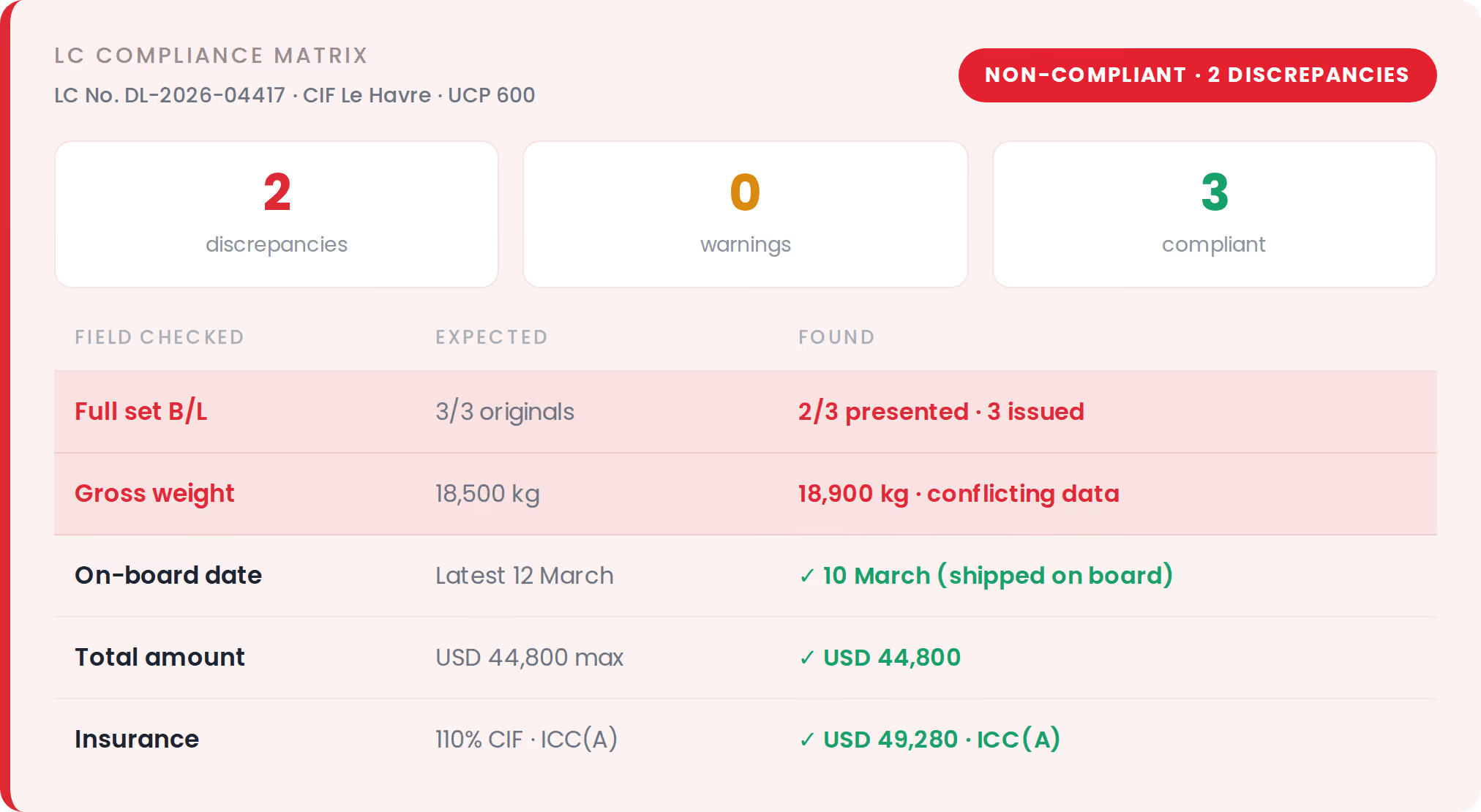
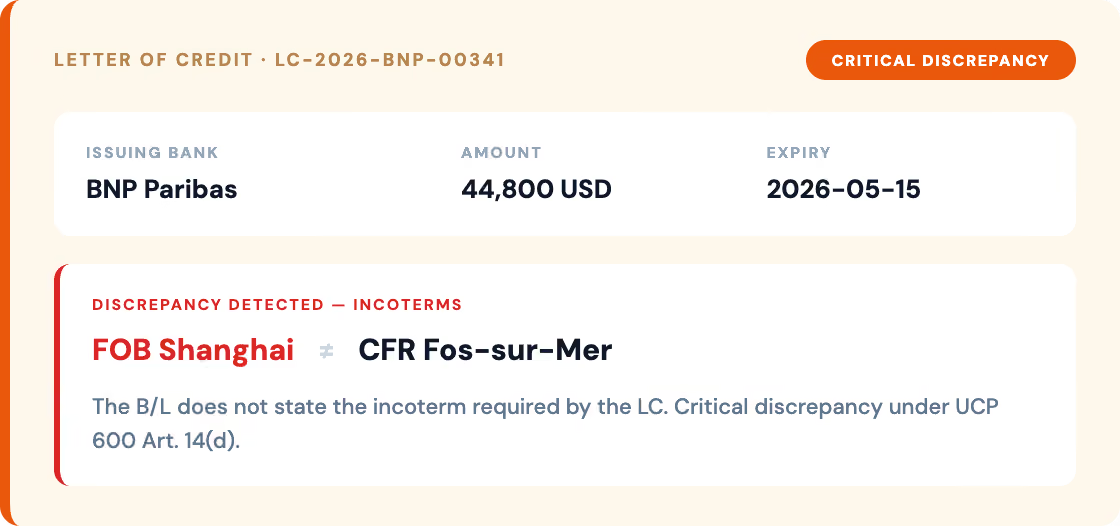
This refers to a discrepancy between the documents submitted and the requirements of the letter of credit: for example, a missing document, a missing entry, an incorrect date, a different amount, or conflicting information.
Controls can be defined based on the specific requirements of documentary credits, UCP 600, ISBP 821, and your organization’s business rules. Their scope depends on the rules actually configured in the solution.
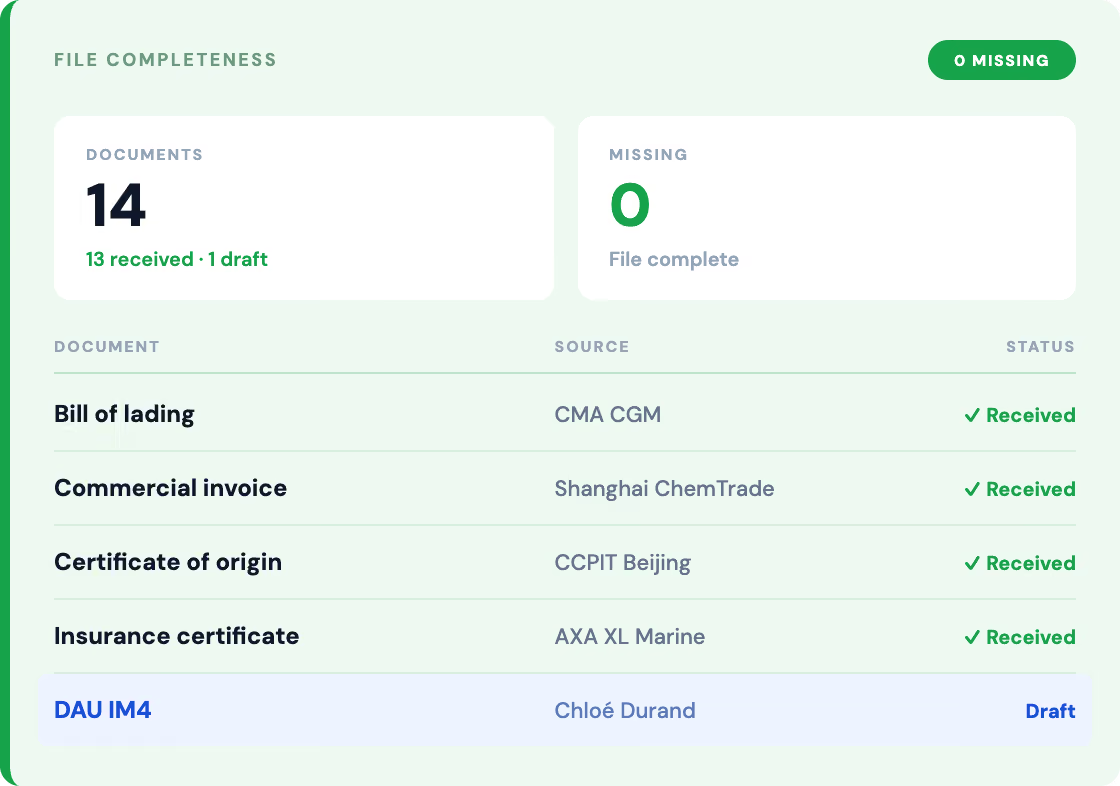
Depending on the transaction, the file may include a commercial invoice, a packing list, a transport document, a certificate of origin, an insurance document, or other required certificates. The scope of the documentation and the information to be verified are defined with Docloop based on your specific use case.
No. Docloop automates the extraction of information and the application of configured checks to flag issues that require special attention. Teams retain control over the review and validation process.
In commercial transactions, the two terms generally refer to the same mechanism. In business French, “documentary credit,” sometimes abbreviated as “crédoc,” is often preferred. However, the term “letter of credit” can also refer to other instruments: in particular, a documentary credit should not be confused with a standby letter of credit.